Safety management

Mechanical smoke extraction

Extract fumes to save lives.


During a fire, smoke is the main hazard: it reduces visibility, carries toxic gases, and accelerates the spread of the fire.
Mechanical smoke extraction removes smoke and hot gases to maintain acceptable evacuation conditions for occupants and facilitate the response of emergency services.


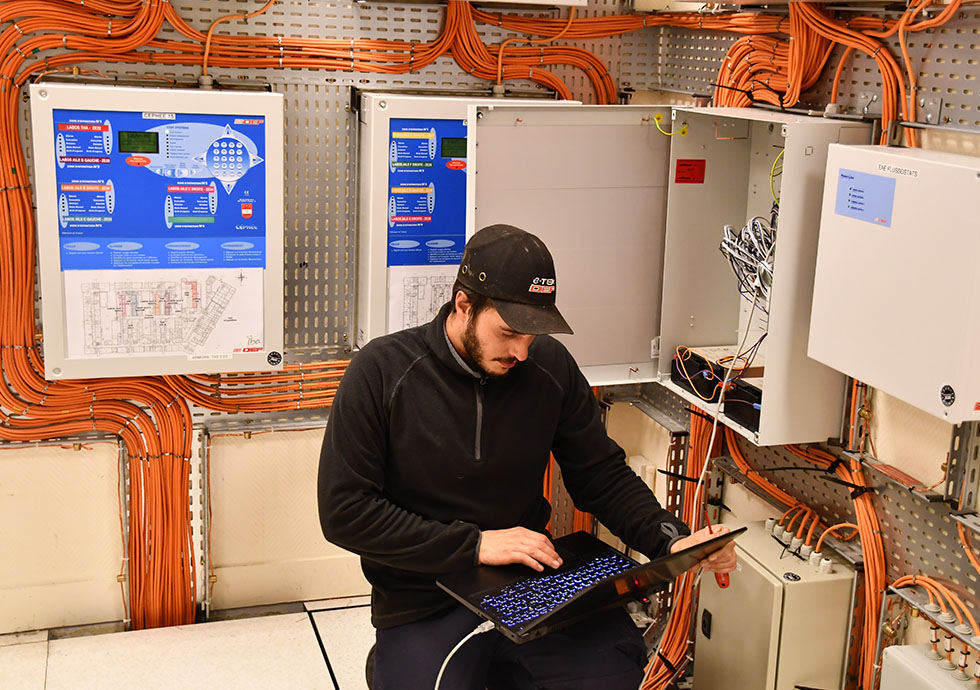
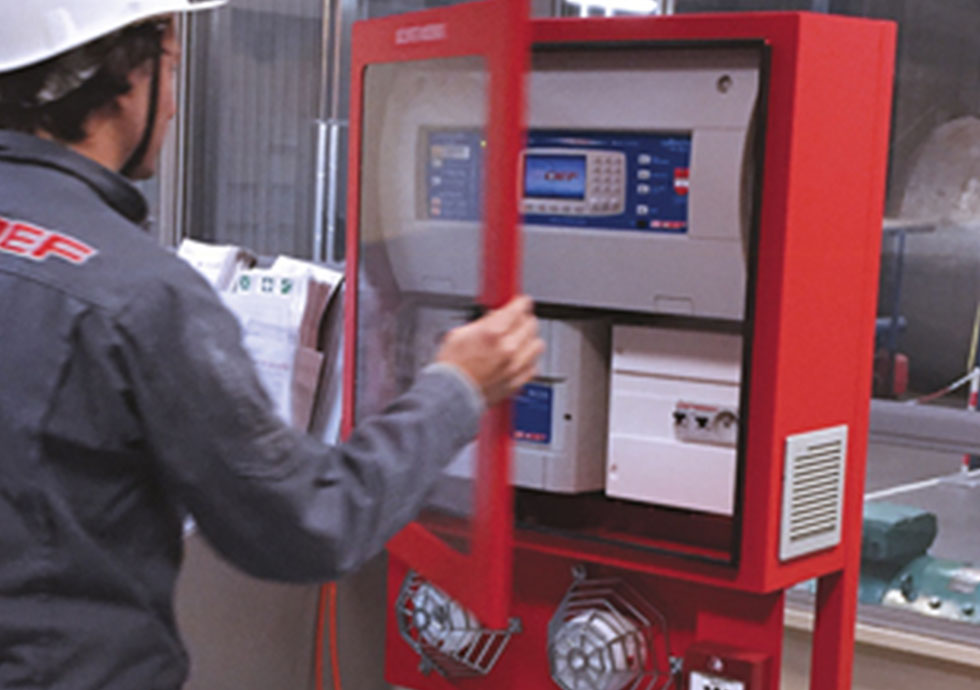
The smoke exhaust system is directly integrated with the Fire Safety System to respond automatically as soon as a fire is detected.
DEF designs high-performance systems that comply with current standards and are tailored to each type of building.

desenfumage mecanique
  • Smoke extraction
  • Safe evacuation
  • Smoke control
Securite incendie desenfumage

How does mechanical smoke extraction work?

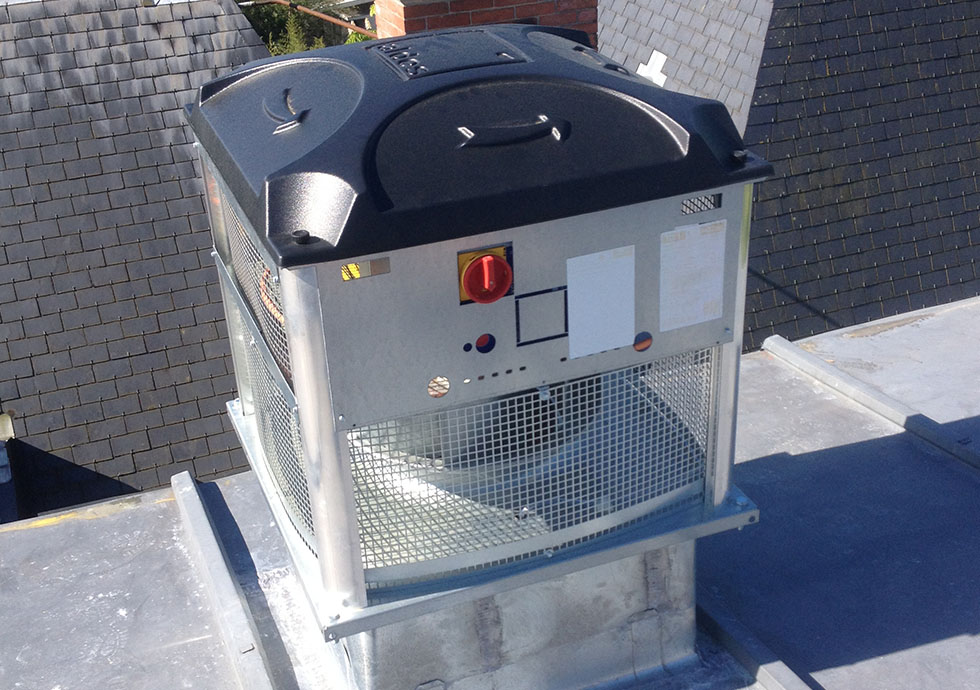
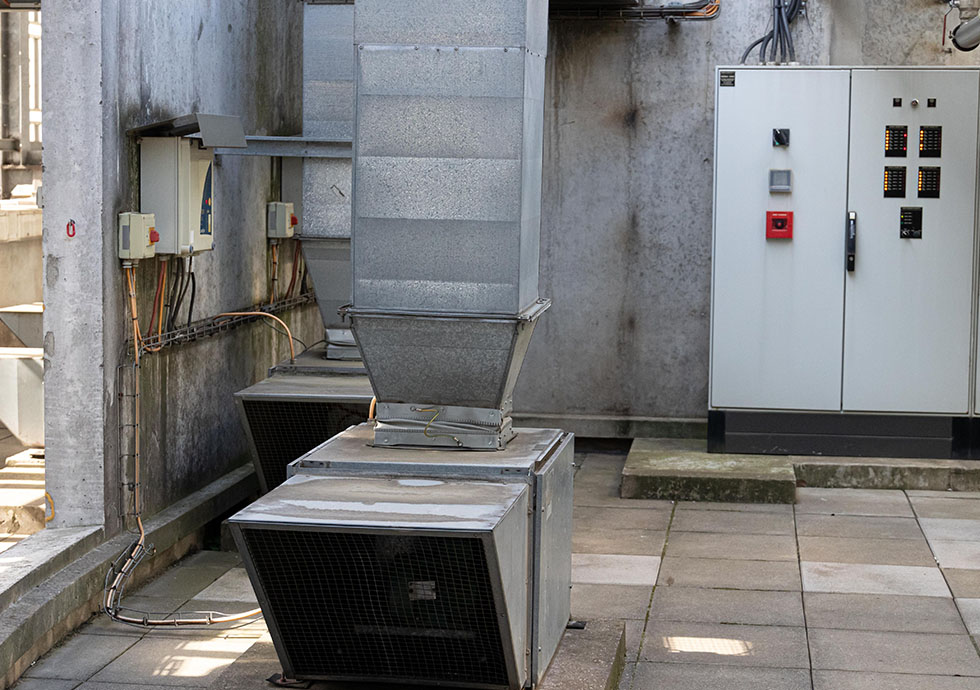
Mechanical smoke exhaust relies on the forced extraction of smoke using fans, ducts, dampers, and exhaust outlets, all controlled by the fire alarm control panel.
Its objective is to ensure air circulation in the affected areas and to keep evacuation routes clear.
The system relies on a sequence of automatic actions triggered by the fire safety system:

  1. dividing the area into sections to contain the affected area.
  2. opening the smoke extraction dampers in the affected area,
  3. starting the exhaust fans

This coordination ensures a rapid evacuation and allows emergency responders to operate under safer conditions.

desenfumage securite incendie

Full integration with the fire safety system

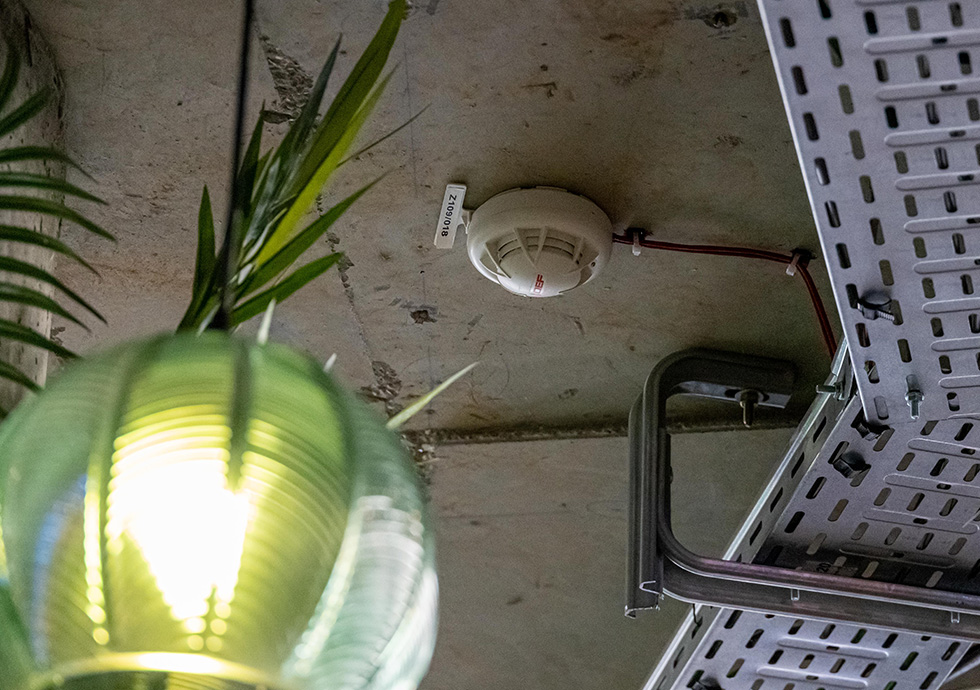
Smoke exhaust systems are coordinated with other fire safety systems: fire detection, automatic fire suppression, and emergency exit management.
The scenarios programmed into the Fire Safety Control Centre ensure selective activation by zone, in accordance with emergency response plans and regulatory requirements.

Certified, high-performance components

All equipment is designed to operate under extreme temperature and pressure conditions, in accordance with regulatory requirements.

Every mechanical smoke-exhaust system includes:

AMCA- or CE-certified smoke exhaust fans,

Fire-resistant ducts (for indoor and outdoor use) when passing through other rooms or fire-resistant structures in other configurations.

Motorised smoke exhaust dampers,

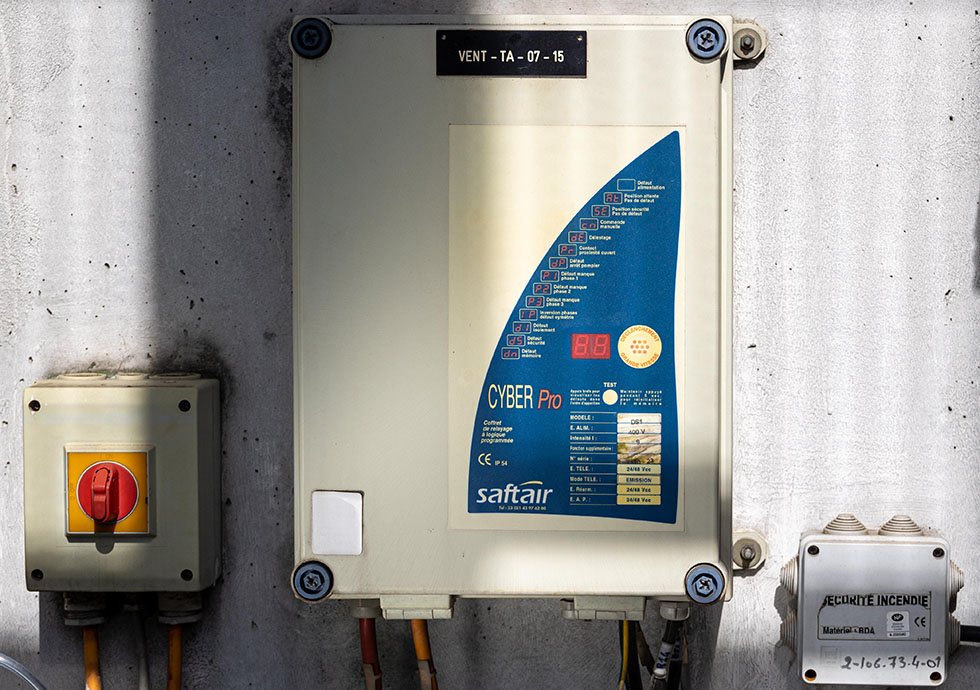
Relay panels controlled by the fire safety system.

Fire dampers that comply with the NF S 61-937 standard,

Why install a mechanical smoke exhaust system?

A well-designed mechanical smoke exhaust system is a key factor in survival: it protects human lives and significantly reduces property damage.

Risk covered Operational benefit
Maintain evacuation conditions
Loss of visibility and intoxication of the occupants
Easy and safe evacuation
Limiting the spread of smoke
Rapid invasion of circulation areas
Containment of smoke in the disaster-stricken area
Reduce thermal effects
Heat build-up and structural risk
Lowering the temperature of the gases
Facilitate emergency response efforts
Difficult access and hazardous conditions
Improved visibility and response time
Ensure regulatory compliance
Non-compliant installation
Compliance with public access building standards and requirements / Labour Code
:

A system governed by strict standards

Mechanical smoke exhaust systems are subject to several regulatory provisions and reference standards. These regulations require a design that meets very specific requirements, particularly regarding airflow rates (smoke exhaust performance), air velocities (smoke flow management and smoke exhaust efficiency), pressures between smoke-exhausted spaces and certain adjacent spaces (ensuring safe evacuation of occupants and containment of smoke), as well as electrical consumption (compliance with regulatory requirements).

Need help?
  • TEST12

    Smoke exhaust regulations for public access buildings

    Technical Instruction IT 246
    IT 246 defines the design principles for smoke exhaust systems in public buildings, particularly with regard to airflow rates, isolation, and smoke flow management.

    IT 246 technical instruction
  • TEST12

    Fire safety regulations

    Decree of 25 June 1980 (DF articles)
    This regulation sets forth the requirements for smoke exhaust systems in public buildings, particularly in hallways, stairwells, and specific areas.

    Decree of 25 June 1980
  • TEST12

    Fire prevention in the workplace

    Labour Code – Articles R4227-28 to R4227-41
    The Labour Code requires the installation of systems to remove smoke from commercial buildings in order to ensure worker safety.

    Labour Code
  • TEST12

    Design of smoke exhaust systems

    NF S 61-932 Standard
    This standard provides guidelines for the design and installation of mechanical smoke exhaust systems, particularly with regard to airflow performance.

    NF S 61-932 standard
  • TEST12

    Maintenance of installations

    NF S 61-933 Standard
    It defines the maintenance requirements, inspections, and tests necessary to ensure the system’s long-term reliability.

    NF S61-933 standard
  • TEST12

    Smoke exhaust components

    NF EN 12101 Standard
    This European standard specifies the requirements for components of smoke and heat control systems.

    NF EN 12101-1 standard
  • TEST12

    Insurer reference framework

    APSAD R17
    The APSAD R17 standards provide a framework recognised by insurers for the design and reliability of smoke exhaust systems

    APSAD R17

Key figures

These data illustrate the direct impact of smoke exhaust systems on occupant safety and on minimising structural damage.

  • 80% of fire victims
  • of fire victims; deaths caused by smoke inhalation
  • 3 times less
  • of CO levels in evacuated areas
  • 10 to 18 volumes per hour
  • Average extraction flow rate in a public access building
  • 1
  • Mandatory regulatory audit

Your sectors

Technology tailored to each of your constraints

Every sector has its own constraints, risk levels and regulatory requirements. DEF designs fire safety solutions that adapt to any environment, ensuring performance, compliance and business continuity.

Discover our solution

See all news

Request customised support

DEF offers personalised support at every stage of your fire safety project.
Talk to an expert

DEF Assistant

DEF Assistant

Let’s talk about your project

The assistant is typing…

Answers generated by artificial intelligence from the DEF website’s content: please check important information with our teams. Do not share personal information.