Fire suppression

Automatic gas fire suppression system for the protection of property and people

Fast, clean, and damage-free protection for sensitive environments.
This system either smothers the fire (using inert gases or CO2) or interferes with the chemical reaction involved (using chemical gases or inhibitors), while preserving the integrity of critical equipment and facilities.
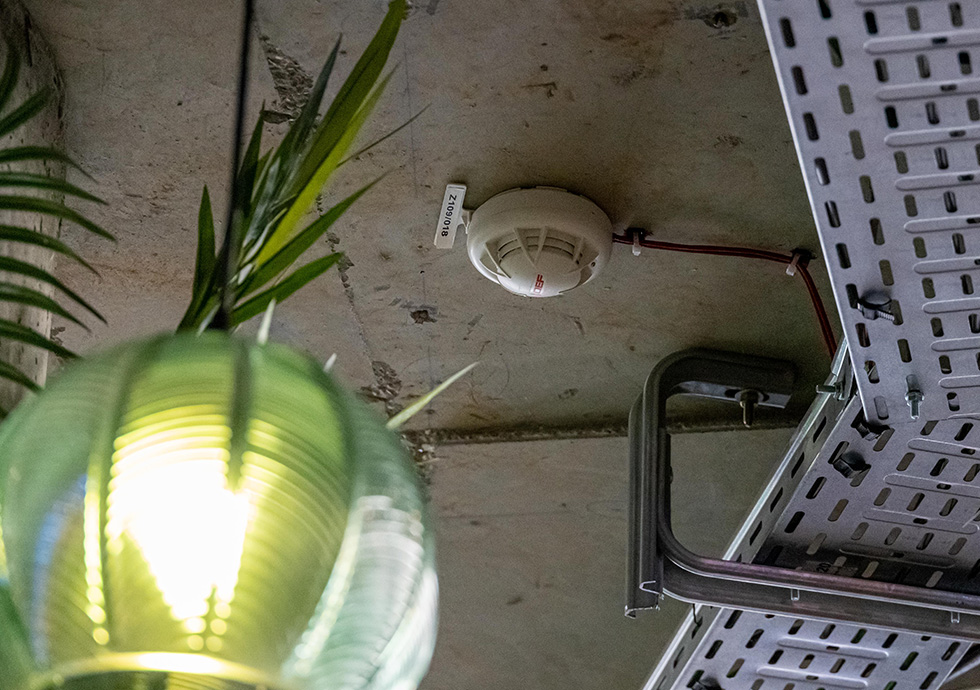
The solution relies on the automatic release of a gaseous agent into the area to be protected as soon as a fire is confirmed.


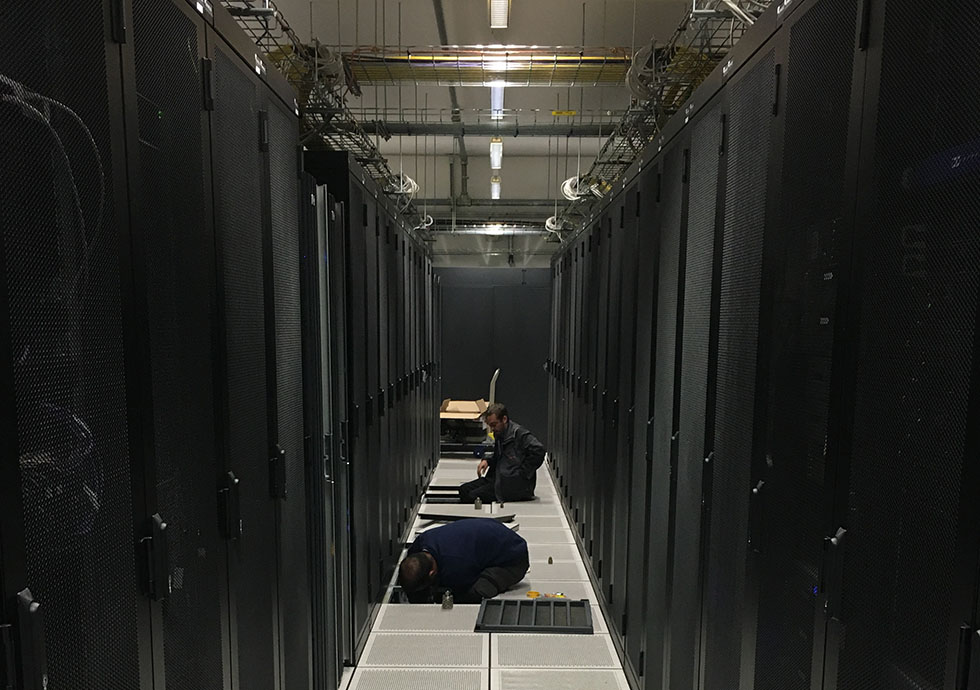
Gas fire suppression systems are an integral part of the Fire Protection System and are used in data centres, laboratories, technical rooms, museums, and industrial sites containing high-value assets or requiring specific protection (such as cabinets, machinery, etc.).

  • Fire suppression without damage
  • Equipment protection
  • Clean fire suppression

How does automatic gas fire suppression work?

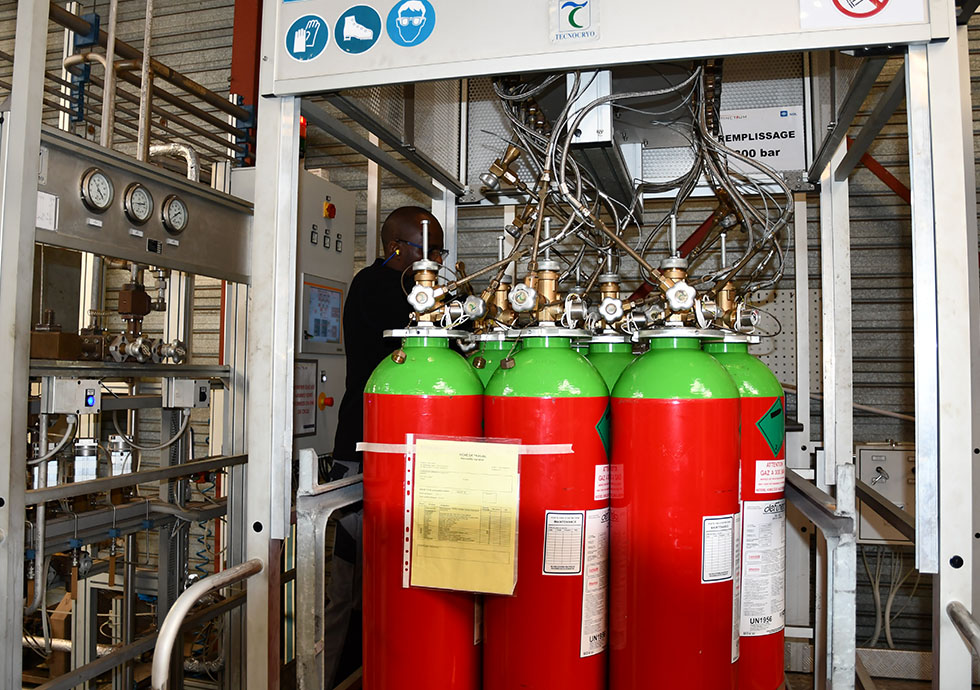
Automatic gas fire suppression relies on the release of a fire-suppressing agent stored under pressure in tanks. As soon as a fire is detected (by the fire detection system) or the manual fire suppression trigger is activated, the Electrical Control and Timing Device initiates the suppression sequence, which consists of several steps: libération d’un agent extincteur stocké sous pression in storage cylinders.
As soon as a fire is detected (by the fire detection system) or the manual fire suppression trigger is activated, the Electrical Control and Timing Device initiates the suppression sequence, which consists of several steps:

  1. Audible and visual warning
  2. Lockdown of the protected area.
  3. Timing of evacuating the area
  4. Opening of the relief valves on all gas tanks: release of gas through a network of galvanised or stainless steel piping, depending on the protected environment. Uniform distribution of the gas throughout the protected space: the gas reduces the oxygen level (inert gases / CO2) or acts by influencing the chemical reaction of combustion (chemical gases or inhibitors).
  5. Relief of the excess pressure generated by the release of gas into the space through the pressure relief vents.
  6. Data is reported to the Electrical Control and Timing Device, and then, depending on the situation, to the fire safety system, the supervision system, or the remote monitoring system.

The entire system is designed to activate within the first few minutes after a fire breaks out without damaging electrical or electronic equipment or works of art.

extinction gaz inertes

Fire suppressants used

Several types of gases are used depending on the risks and the nature of the property to be protected:

  • Gaz inertes Inert gases (DEFINERT solutions using IG55, IG100, or IG01 inert gases): work by reducing the oxygen concentration. Chemical gases or inhibitors (halocarbons): interrupt the chemical reaction involved in combustion. CO2: to be used only in unoccupied rooms (for space protection) due to its toxicity, for object protection, or when the leak area does not allow for the use of another gas. It works primarily by lowering the oxygen concentration, thereby halting combustion and allowing the fire to be extinguished.
  • Gaz chimiques ou inhibiteurs (halocarbures)
  • CO2

The choice of extinguishing agent depends on the type of fire (class A, B, C), the sensitivity of the equipment, and environmental constraints.

extinction gaz data center

A secure and compliant system

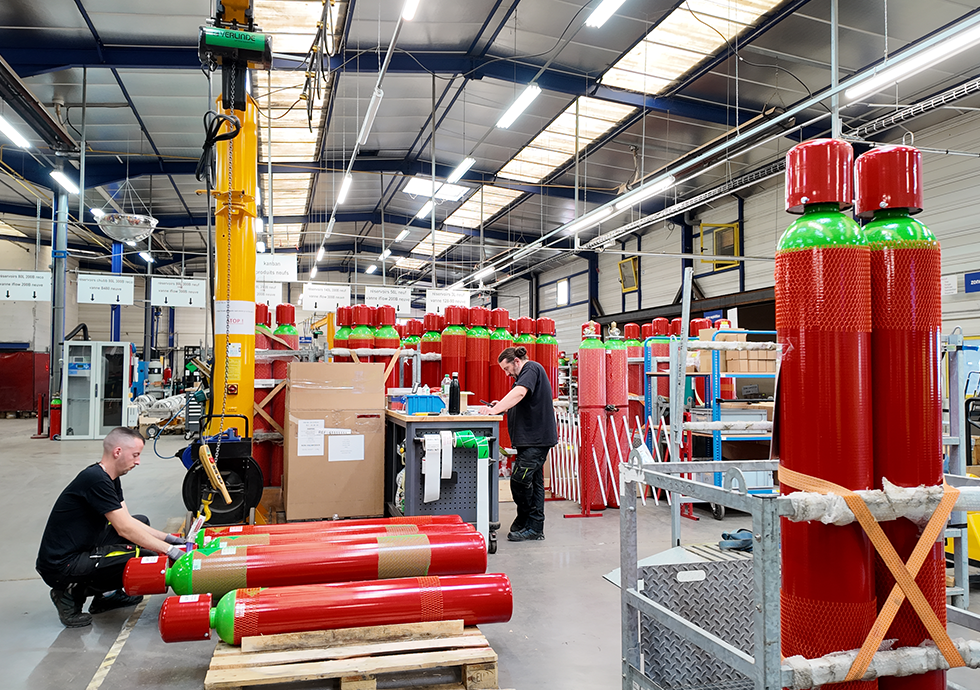
Pressurised storage tanks equipped with relief valves fitted with electric or pneumatic actuators, as well as mechanical manual controls where applicable,

  • A distribution network made of steel or stainless steel,
  • Calibrated diffusion nozzles for uniform gas distribution throughout the space,
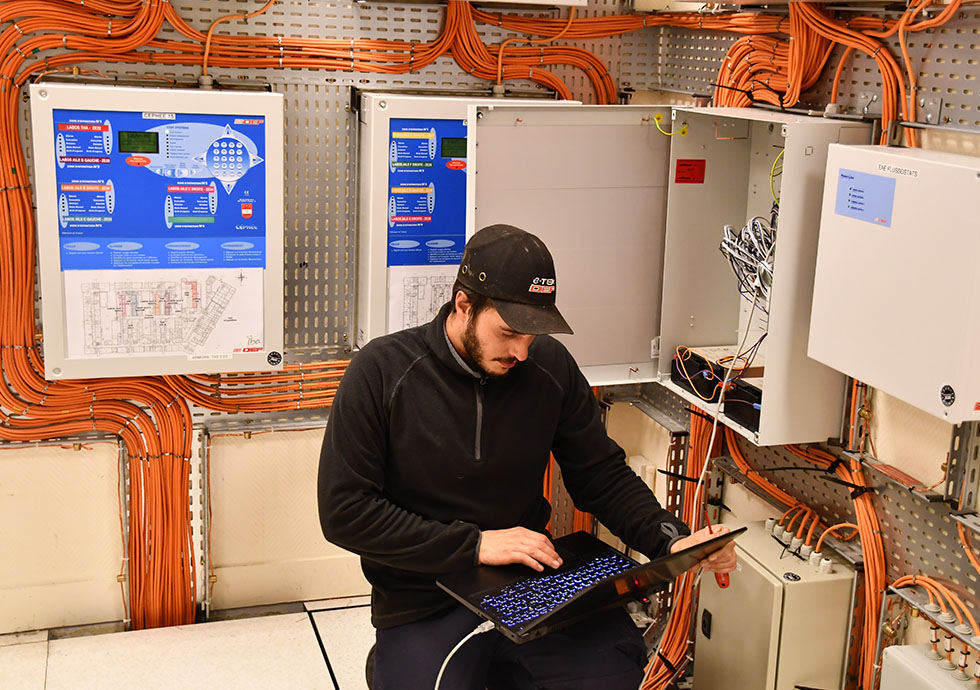
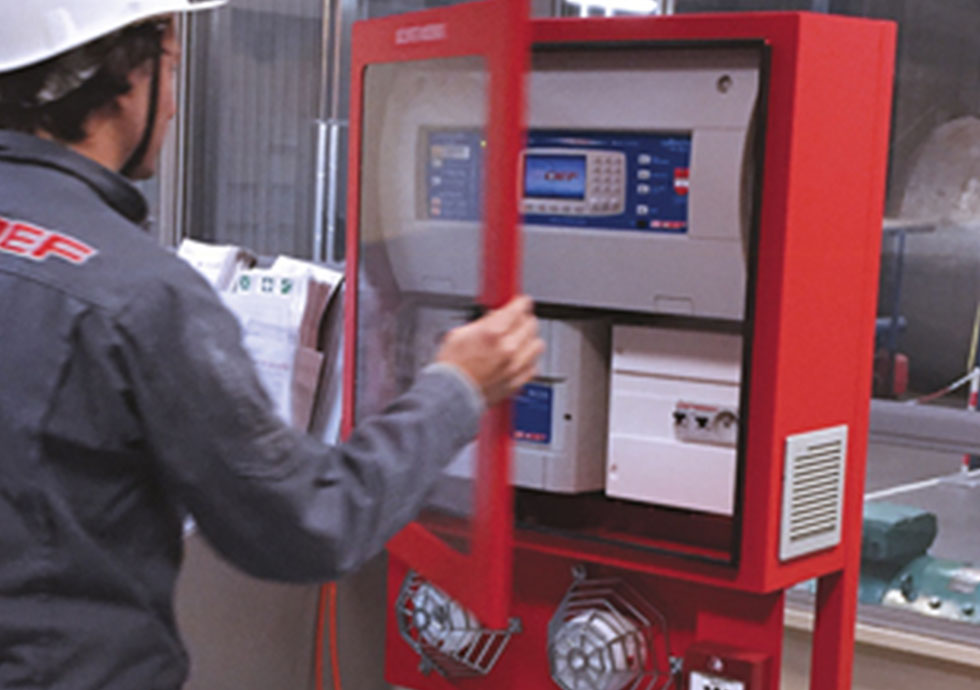
  • An Electrical Control and Timing Device,
  • Audible and visual alarm systems,
  • Pressure relief vents,

The system is designed in accordance with the requirements of APSAD Rule R13 and ISO 14520-1.

Why install an automatic gas fire suppression system?

Gas fire suppression is the preferred solution for protecting sensitive environments where water or other fire suppressants are unsuitable.

A properly sized gas system can stop a fire as soon as it breaks out while protecting critical assets.

Risk covered Operational benefit
Protect without damaging
Damage to sensitive equipment (IT, archives, works of art)
Protects electronic equipment, sensitive records, and, more generally, the assets located within the protected area.
Rapid extinction
Rapid spread of the fire
The gas is released into the space within a few seconds after a fire is detected or the manual fire suppression trigger is activated.
Ensuring business continuity
Production shutdown or business interruption
Rapid resumption of activity after an incident
Securing areas with specific risks
Fires in confined or technical environments
Protection tailored to the site's specific conditions
Ensure coordination with the fire safety system
Poor equipment synchronisation
Coordination with the fire detection system. Helps secure the protected area (by isolating and shutting down technical systems).
:

Technology governed by recognised standards

Automatic gas fire suppression systems are subject to a stringent regulatory framework that ensures their effectiveness and safety.

  • TEST12

    Insurer reference framework

    APSAD R13
    Oversees the design, installation, and maintenance of gas fire suppression systems.
    A key reference for insurers and industrial risk management.

    APSAD R13
  • TEST12

    International standard for fire suppression gases

    ISO 14520-1
    Defines the design requirements for systems that use gaseous agents.

    ISO 14520-1
  • TEST12

    European Standard

    NF EN 15004-1
    Regulates fixed gas fire suppression systems at the European level.

    NF EN 15004-1
  • TEST12

    CO₂ Systems

    NF EN 17966
    Specifies the requirements for fire suppression systems that use carbon dioxide.

    NF EN 17966
  • TEST12

    Pressure Equipment Directive

    Directive 2014/68/EU (DESP)
    Regulates pressure equipment used in fire suppression systems.

    Directive 2014/68/EU (PED)
  • TEST12

    Environmental Regulations

    Environmental Code – Article R.521-1
    Regulates the use of fluorinated gases and their environmental impact.

    French Environmental Code
  • TEST12

    International Standards

    NFPA 2001 / NFPA 12
    U.S. standards governing clean agent systems and CO₂ systems.

    NFPA 2001 / NFPA 12
  • TEST12

    International Insurance Standards

    FMDS 0409 / FMDS 0411N
    Technical guides for inert gas, halocarbon, and CO₂ systems.

Key figures

Measured performance of automatic gas fire suppression systems

Gas fire suppression stands out for its rapid action and its ability to minimise damage. These performance characteristics make gas systems an essential solution for protecting critical environments.

  • 70 %
  • Average reduction in property damage 
  • 24 hours
  • Time required to resume operation after discharge 
  • 10 seconds
  • Average time for complete diffusion throughout the room 
  • 15 to 20 years
  • Average lifespan of a complete system. With retrofitting after 10 years

Your sectors

Technology tailored to each of your constraints

Every sector has its own constraints, risk levels and regulatory requirements. DEF designs fire safety solutions that adapt to any environment, ensuring performance, compliance and business continuity.

Discover our solution

See all news

Request customised support

DEF offers personalised support at every stage of your fire safety project.
Talk to an expert

DEF Assistant

DEF Assistant

Let’s talk about your project

The assistant is typing…

Answers generated by artificial intelligence from the DEF website’s content: please check important information with our teams. Do not share personal information.