

Public administration & government

Ensuring the continuity of public services

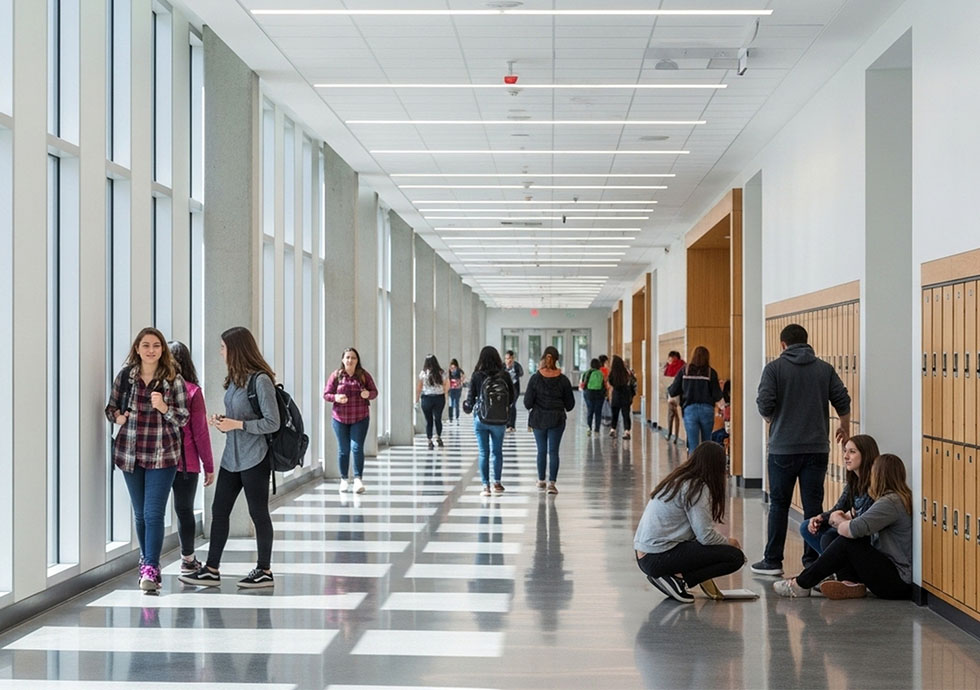
Government ministries, regional offices, city halls, administrative centres, courthouses, and correctional facilities: public buildings welcome staff and large numbers of visitors every day.


These facilities combine areas open to the public with sensitive areas that require a high level of security. DEF assists local governments and public agencies in the design, modernisation, and maintenance of their fire safety systems to protect occupants and ensure the continuity of public service operations.

protection incendie ecole
  • Continuity of public services
  • Regulatory compliance of public access buildings
  • Protection of sensitive buildings
:

Regulatory requirements to ensure the safety of officials and the public

Administrative and institutional buildings are subject to several regulatory frameworks designed to protect occupants, public officials, and critical infrastructure. These requirements pertain, in particular, to fire detection, smoke exhaust, facility maintenance, and the responsibility of local authorities for safety management.

Need help?
  • TEST12

    Safety regulations for public access buildings

    Decree of 25 June 1980
    Administrative buildings open to the public generally fall under type W public access buildings (government offices, banks, offices) or other categories, depending on the site’s activities. These facilities must be equipped with fire detection, alarm, and safety systems appropriate for their layout.

    Fire detection
  • TEST12

    Protection of officials and staff

    Labour Code
    The Labour Code requires employers to implement the necessary measures to ensure the fire safety of officials and technical personnel, in particular by installing alarm and evacuation systems and providing emergency equipment.

    SSI
  • TEST12

    Responsibility of local governments

    General Code of Local Governments
    Local governments are responsible for the safety of the public buildings they operate. The mayor or the head of the local government must ensure that installations comply with regulations and that fire safety rules are followed.

    General Code of Local Governments
  • TEST12

    APSAD Technical Standards

    APSAD R7 – R13 – R17
    These standards define best practices for the design, installation, and maintenance of fire detection, automatic fire suppression, and smoke exhaust systems in buildings open to the public.

    Maintenance contract
  • TEST12

    Fire system performance standards

    EN 54 and ISO 7240 Standards
    These standards govern the performance and reliability of fire detection equipment, alarm systems, and public address systems used in public buildings.

    Security and background public address system  

Major fire hazards in public administration / government

Administrative buildings pose specific risks related to the number of people who use them, their architectural design, and the presence of technical equipment.

Outdated or overloaded electrical grids

The leading cause of fires in older office buildings. (INRS, 2023)

High occupancy density and flammable furnishings

Rapid spread of the fire and panic in the hallways.

IT facilities and sensitive archives 

Risk of a silent fire leading to the loss of data or critical equipment.

A diverse audience and complex accessibility challenges 

Delays detection and complicates evacuation, particularly in historic buildings.

Request a risk assessment
SALLE OPEN SPACE
SALLE SERVEUR
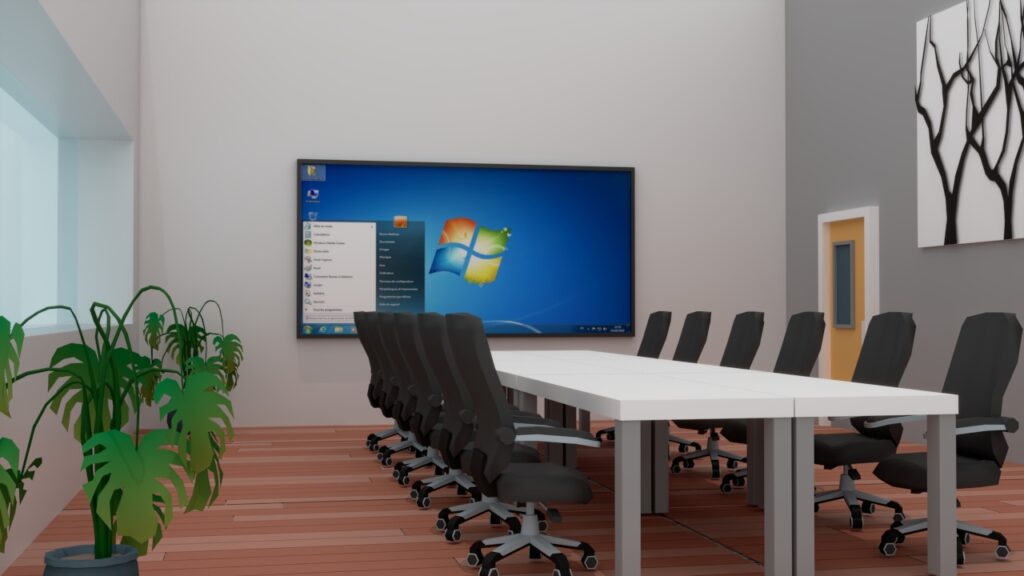
SALLE REUNION 1
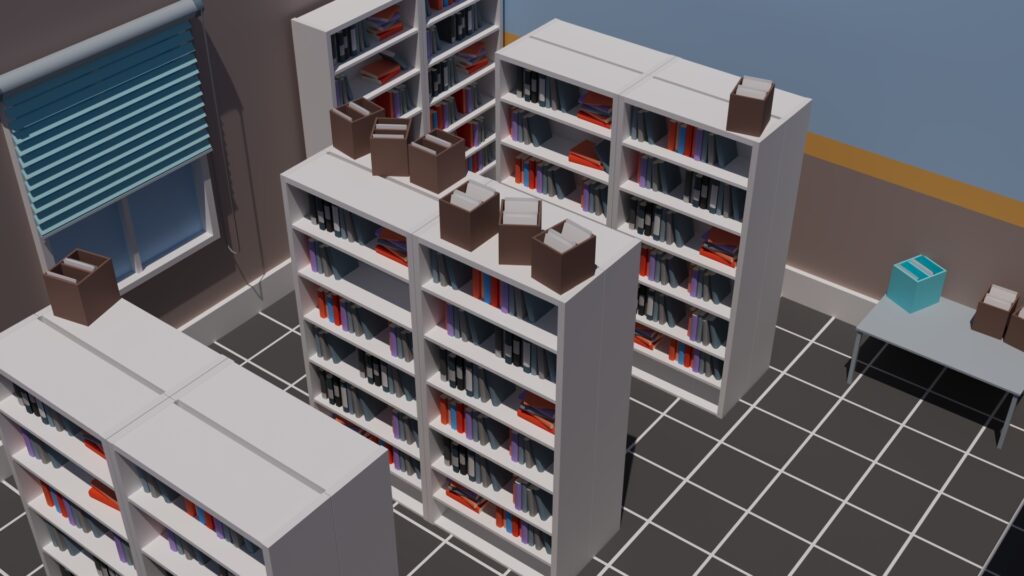
SALLE ZONE STOCKAGE
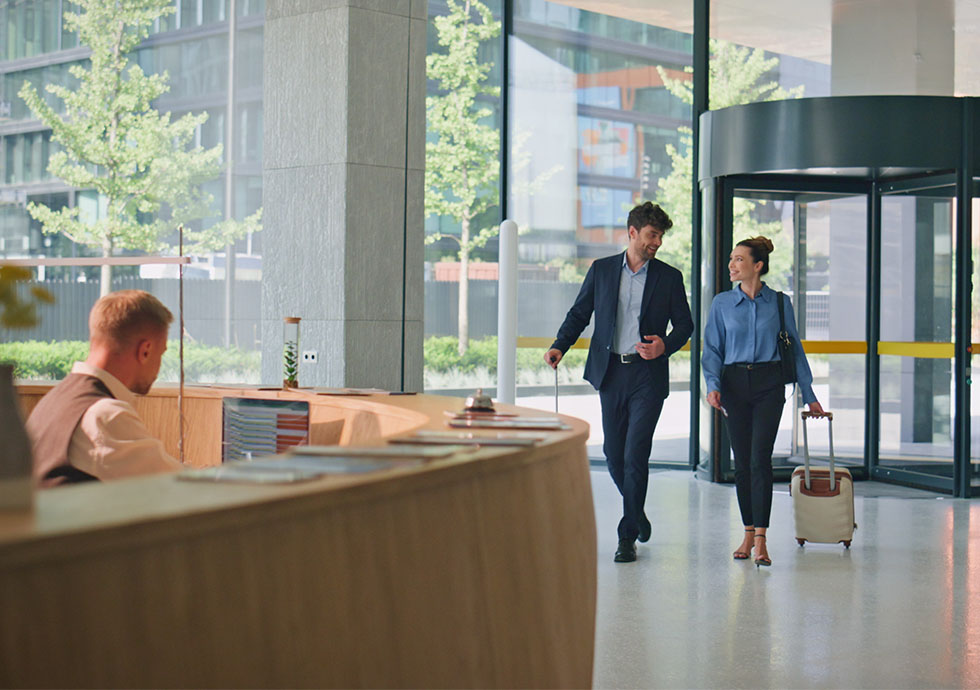
SALLE ACCEUIL

Offices and open workspaces

  • Offices and open workspaces
  • Computer rooms and data centres
  • Meeting rooms and lecture halls
  • Archives and storage areas
  • Lobby areas and public spaces

DEF support

Fire safety: practical challenges for your public buildings

When it comes to fire risks in public facilities, DEF supports you every step of the way: from auditing the installations to bringing them into compliance, all the way through to their ongoing maintenance. Our goal: to secure your buildings, protect their occupants, and ensure the continuity of your operations.
  • 90%
  • of incidents prevented through preventive maintenance. (CNPP, 2022)
  • +10 000
  • sites protected by DEF
  • 3 fire drills
  • per year required for public access buildings. (Labour Code, 2023)
  • +65
  • years of expertise

Applied solutions

Administrative and institutional buildings present specific challenges: high foot traffic, the need to maintain public services, the simultaneous presence of staff and visitors, and the presence of sensitive areas such as archives or computer rooms.

The solutions deployed by DEF are based on proven technologies that are already in use at complex public facilities, as part of a comprehensive fire safety strategy.

Sécurité incendie administration publique incendie

Multi-technology fire detection for public buildings

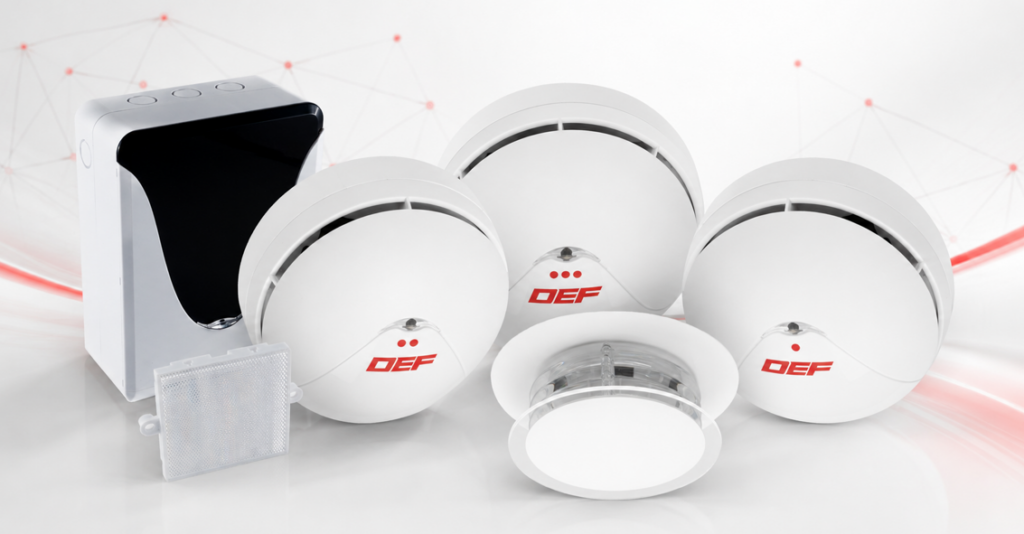
Administrative buildings include a variety of spaces: offices, lobbies, meeting rooms, and utility rooms. Multi-sensor or aspirating fire detection systems provide early and reliable detection, making them well-suited for these diverse environments.

Automatic fire suppression in sensitive areas

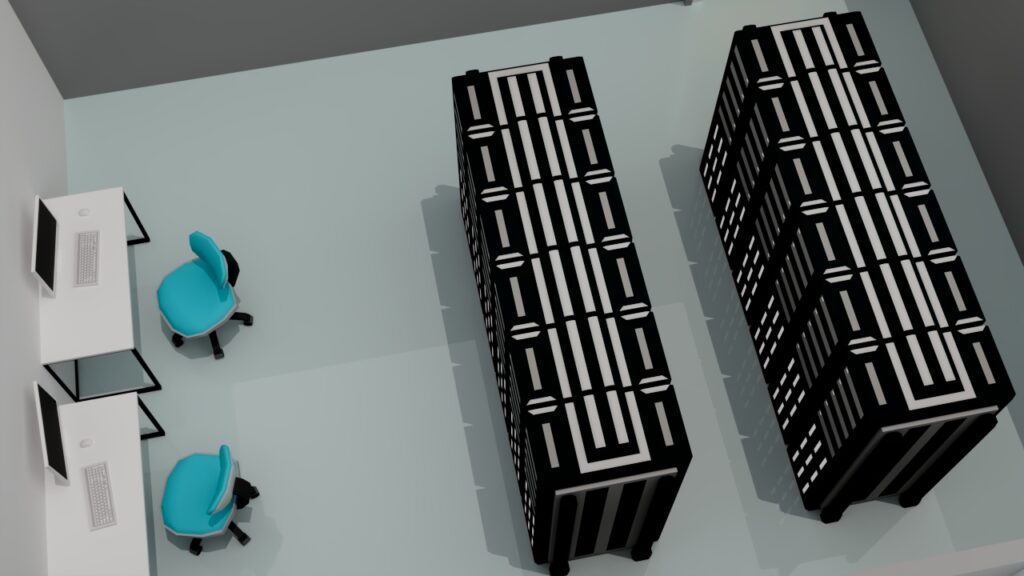
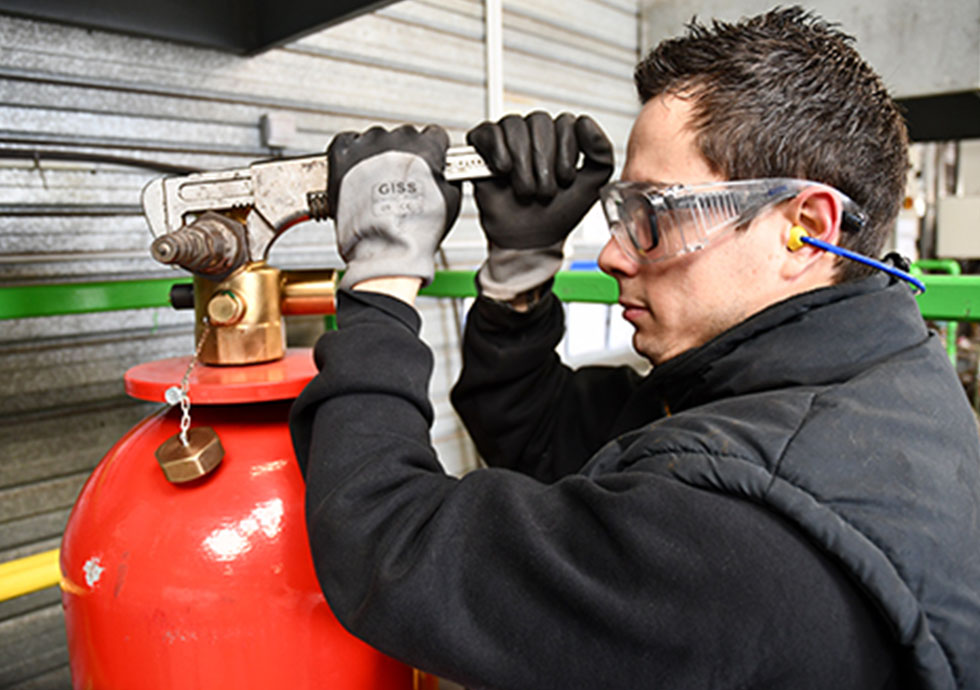
Computer rooms, archives, and technical facilities house equipment that is critical to government agencies. Automatic fire suppression systems using inert gas or water mist enable a rapid response while minimising damage to infrastructure.

supervision et tracabilite mon SSI facile

Fire360 monitoring and traceability

Administrative and institutional buildings often have a wide range of technical equipment installed throughout the building, such as fire detection systems, smoke exhaust systems, alarms, and security systems. Fire monitoring solutions make it possible to centralise safety-related information and streamline site management. Operators can monitor alarms, maintenance operations, and equipment status from a single interface. The , désenfumage bring safety information together in one place and make the site easier to manage.

Operators can monitor alarms, maintenance operations, and equipment status from a single interface.

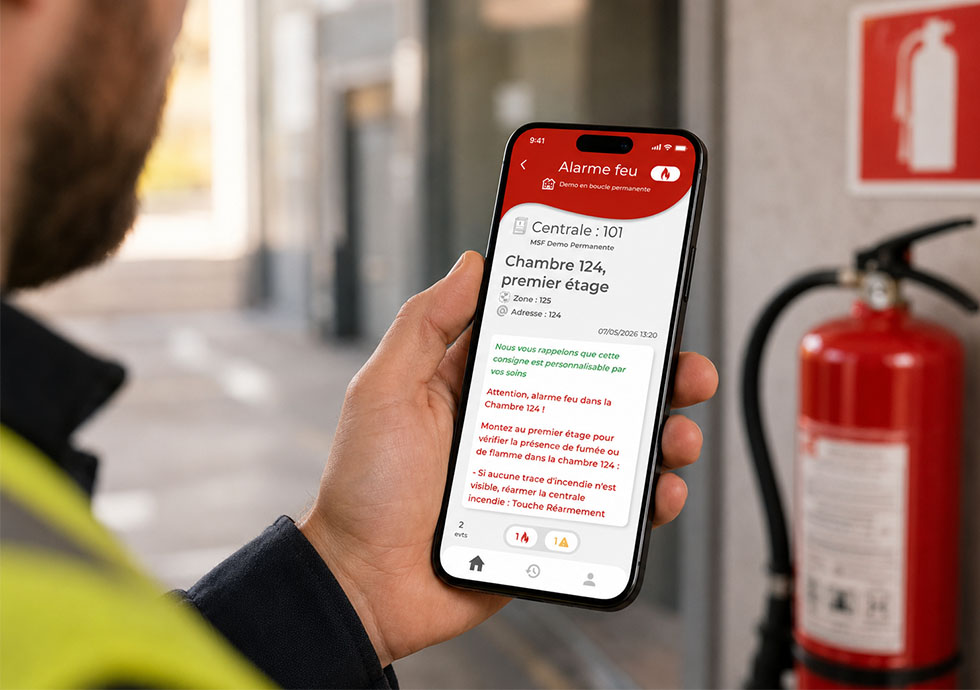
The Mon SSI Facile service also allows users to receive fire safety system notifications on their mobile devices and makes it easier to resolve any issues.

Prison securite incendie

Mechanical smoke exhaust and isolation

In buildings open to the public, smoke control is essential to protect occupants and facilitate evacuation. Mechanical smoke exhaust and isolation systems help limit the spread of smoke and ensure the safety of evacuation routes.

Video

Discover our solution

Branch network

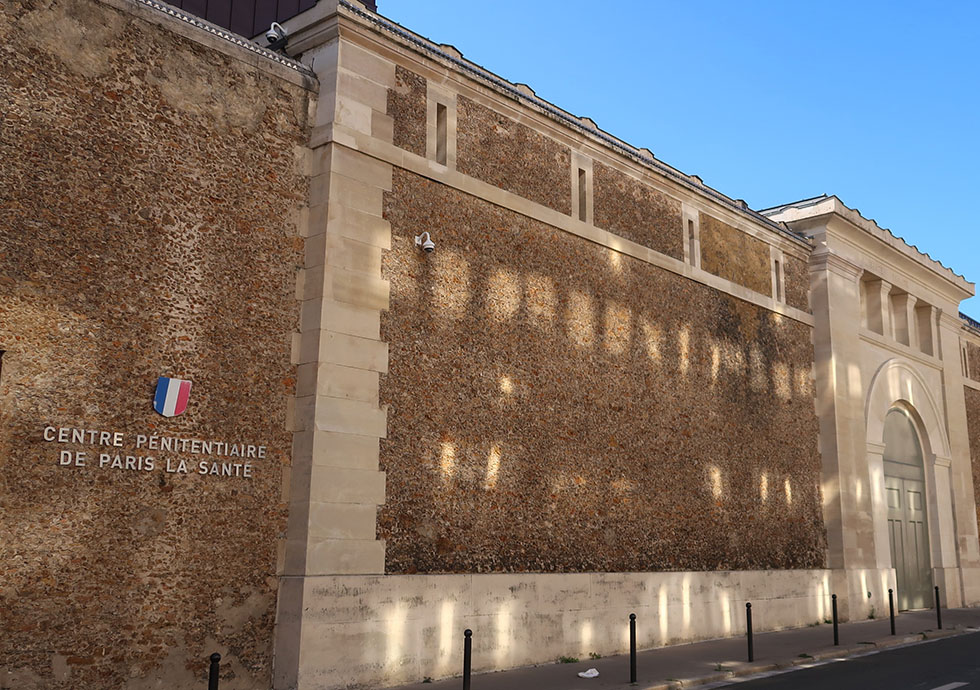
DEF operates nationwide with local teams capable of providing services for all types of public buildings: government ministries, local governments, regional administrative bodies, and correctional facilities.
Secure your public buildings with a trusted partner

Contact the DEF experts to have your systems assessed and identify the solutions best suited to your infrastructure.
Talk to an expert

DEF Assistant

DEF Assistant

Let’s talk about your project

The assistant is typing…

Answers generated by artificial intelligence from the DEF website’s content: please check important information with our teams. Do not share personal information.