Food Industry

Protecting production and installations

The food processing industry involves a combination of demanding environments: humidity, dust, flammable products, and frequent cleaning. Even the slightest interruption in production poses a major economic risk. DEF designs, installs, and maintains robust fire safety systems that comply with health and safety standards and ensure industrial continuity.

Request your audit
Industrie agroalimentaire
  • Production continuity
  • Fire risk management
  • Industrial process safety

Major fire hazards in the food and beverage industry

An uncontrolled fire can result in: destruction of equipment, data loss, disruption of essential services, and enormous financial costs.

Flammable dust and grease 

Residues of flour, sugar, or oils can cause fires in production areas. (INRS, 2023)

Electrical systems and motors 

Equipment that operates continuously can cause overheating and short circuits.

Hot water and steam cleaning

Maintenance operations can cause accidental fires.

Chemicals and refrigerant gases

When present in cold or technical areas, they increase the risk of explosion.

Request a risk assessment
:

Stricter requirements for sites with specific risks

Objective: ensure the safety of the installations without compromising production or health and safety requirements.

In the food and agricultural industry, fire safety regulations are based on several levels: occupational risk prevention, protection of industrial facilities (ICPE), and occupant safety.
This framework requires technical and organisational measures tailored to environments that are both sensitive and subject to significant constraints

Need help?
  • TEST12

    Fire prevention in the workplace

    Labour Code – Articles R4227-1 to R4227-55
    These provisions set forth the obligations of operators with regard to fire prevention, emergency equipment, and staff training.

    Labour Code
  • TEST12

    Fire safety and smoke exhaust system

    Fire safety regulations for public buildings – Decree of 25 June 1980
    Applicable when facilities are open to the public or have areas equivalent to public-access buildings (training rooms, visitor areas).

    Decree of 25 June 1980
  • TEST12

    Facilities classified for environmental protection

    Regulation for facilities classified for environmental protection
    Certain food processing facilities are subject to the regulation for facilities classified for environmental protection due to their storage volumes, the products they use, or their refrigeration systems.

    ICPE regulations
  • TEST12

    Technical standards for fire safety

    APSAD R7, R13, and R17
    These standards provide a framework for the design and maintenance of fire detection, automatic fire suppression, and fire protection systems.

    APSAD
  • TEST12

    Food safety standards

    HACCP
    The installed equipment must comply with health and safety requirements and must not contaminate production areas.

    HACCP
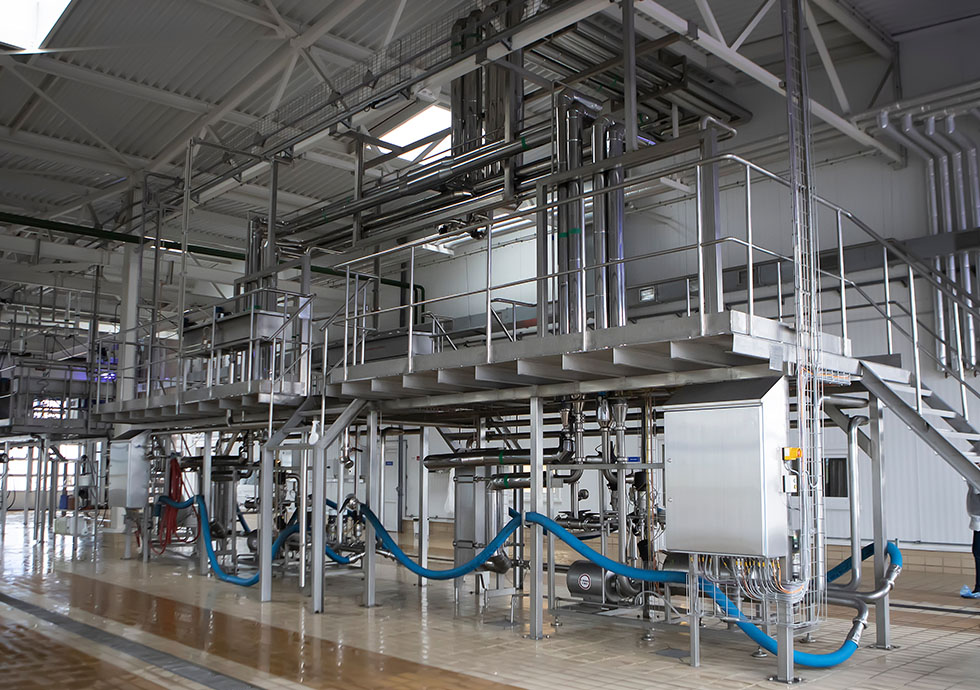
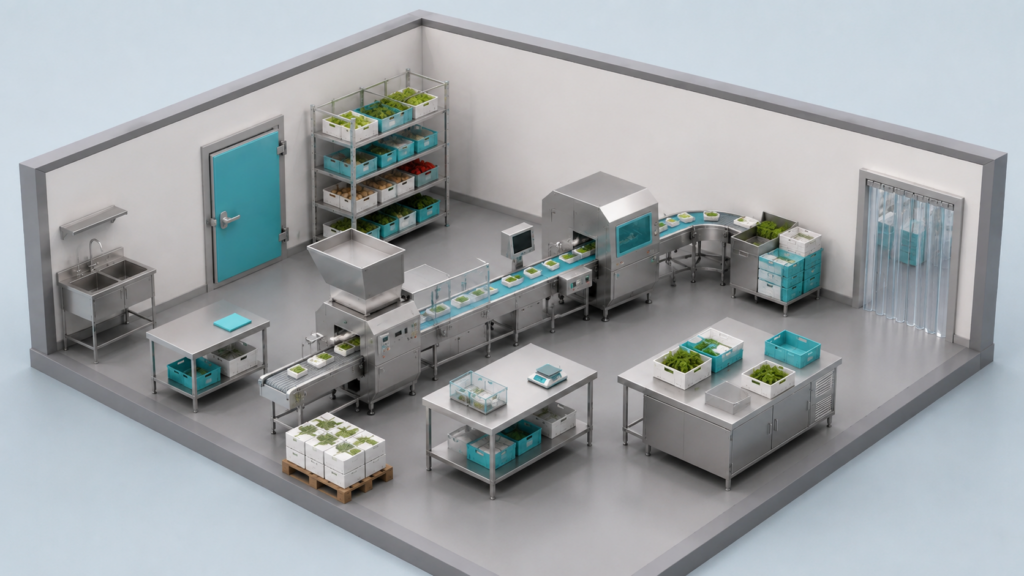
Lignes de production
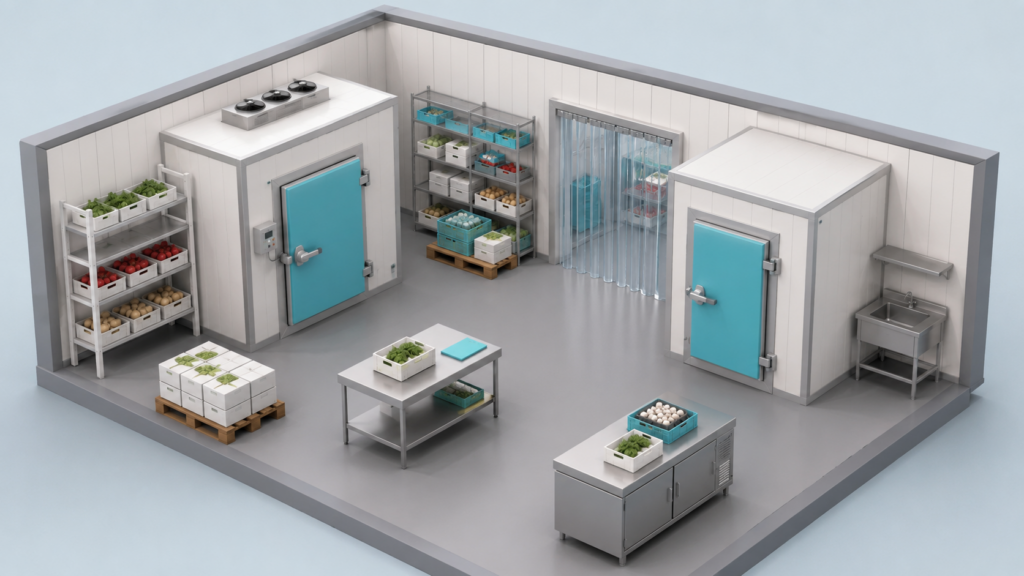
Chambres froides et zones frigorifiques
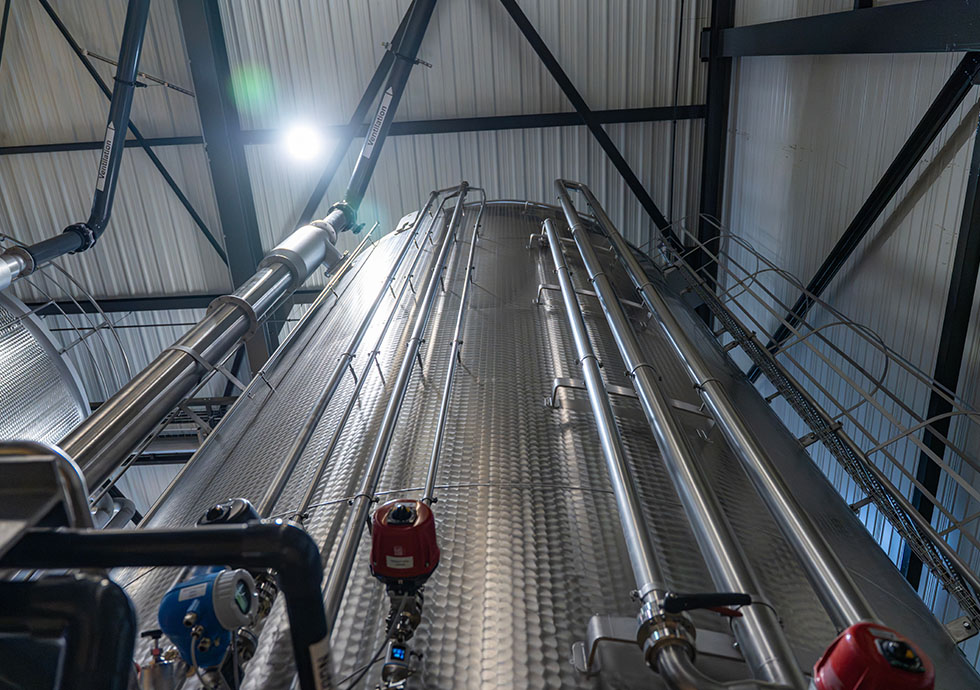
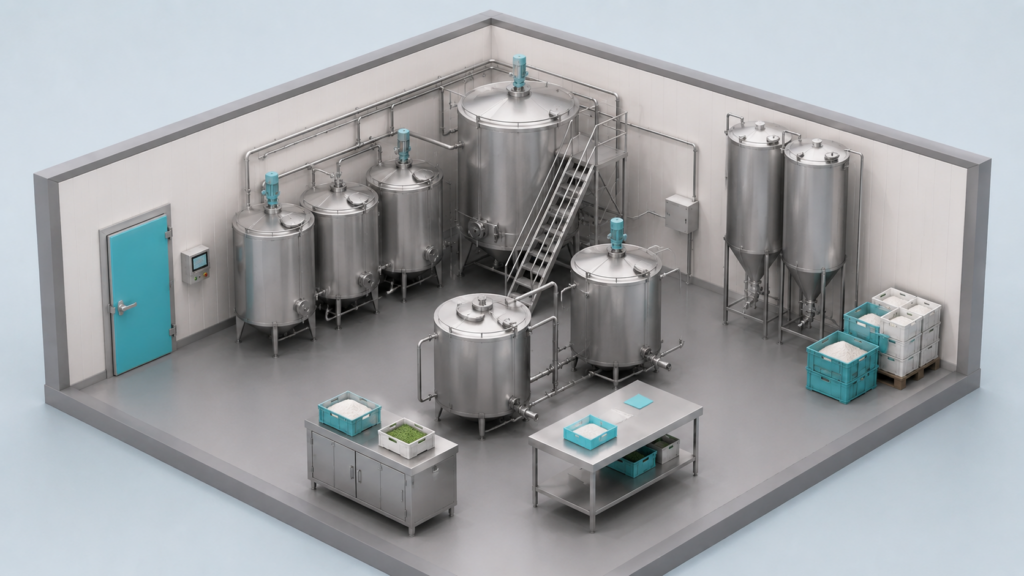
Cuves et silos
salle Ateliers techniques
SALLE ZONE STOCKAGE 1

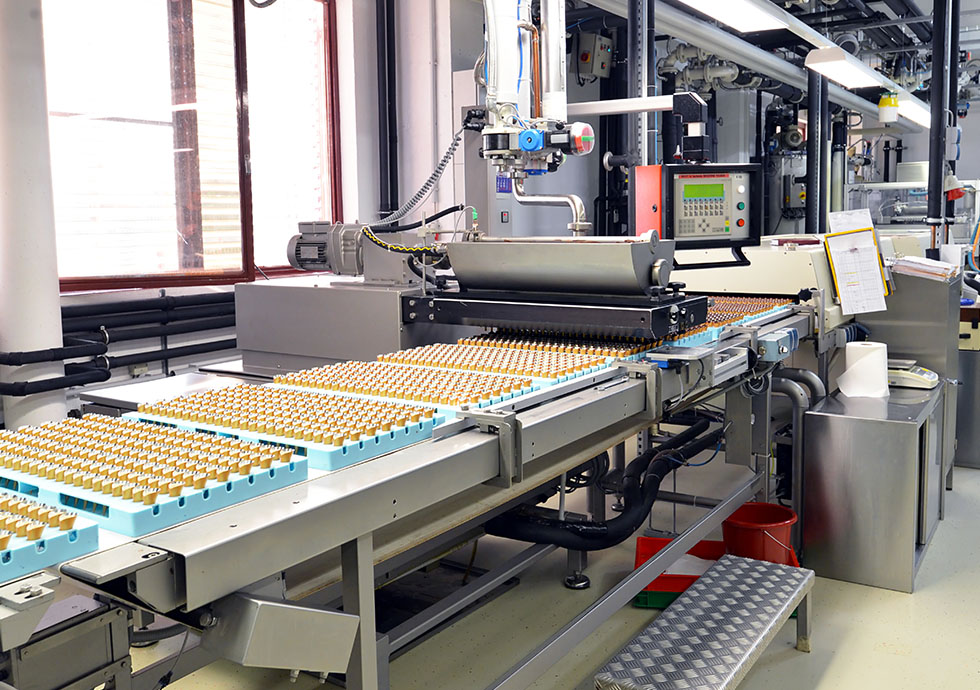
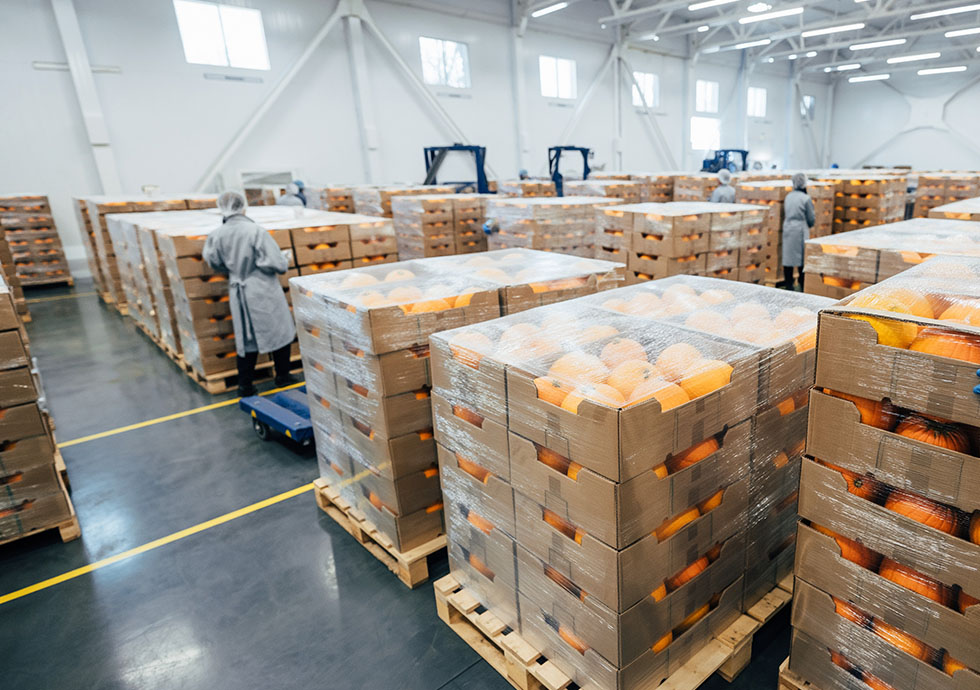
Production lines

  • Production lines
  • Cold rooms and refrigerated areas
  • Tanks and silos
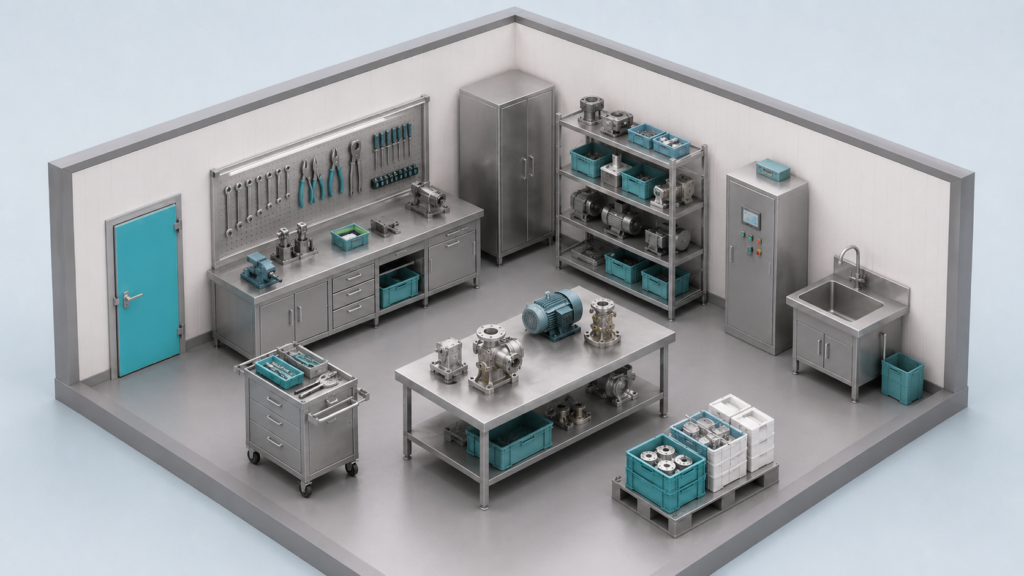
  • Technical workshops
  • Storage areas

Key figures

DEF at a glance

  • 40 %
  • Industrial fires are often caused by electrical problems. (INRS, 2023) 
  • 1 food processing facility
  • in 2 pose a fire hazard due to dust or grease. (BARPI, 2023) 
  • 3 hours
  • of production downtime can result in losses of up to €100,000.  (Agro Factory Study, 2024) 
  • 90 %
  • of incidents prevented through regular preventive maintenance of the fire safety system. (CNPP, 2022) 

Applied solutions

DEF solutions enable food manufacturers to secure their installations without disrupting production processes.

Automatic fire suppression designed for industrial processes

Certain areas pose specific risks: silos, cooking areas, refrigeration systems, and electrical cabinets.

Theextinction automatiqueCertain areas pose specific risks: silos, cooking areas, refrigeration systems, and electrical cabinets. Automatic fire suppression systems, such as water mist or gas suppression systems, help contain a fire in its early stages without damaging equipment or contaminating production areas. brouillard d’eau ou l’

ssi facile industrie

Supervision and monitoring of installations

Industrial facilities may include several technical systems: fire detection, smoke exhaust, alarms, or fire suppression systems. The Fire360 monitoring solution centralises information from the fire safety system and makes it possible to monitor alarms and faults in real time. With , désenfumage, alarmes ou dispositifs d’extinction.

The Fire360 monitoring solution centralises information from the fire safety system and makes it possible to monitor alarms and faults in real time.

Avec Mon SSI Facile, facility operators can also receive fire safety system notifications directly on their smartphones, which helps speed up the verification process and decision-making.

zone stockage desenfumage

Smoke exhaust and airflow management

Le désenfumage mécanique extracts smoke and limits the spread of fire in workshops and storage areas.

These systems also help facilitate emergency response efforts and protect industrial facilities.

DEF teams

DEF operates throughout the country, particularly in the major agri-food regions. Select your region
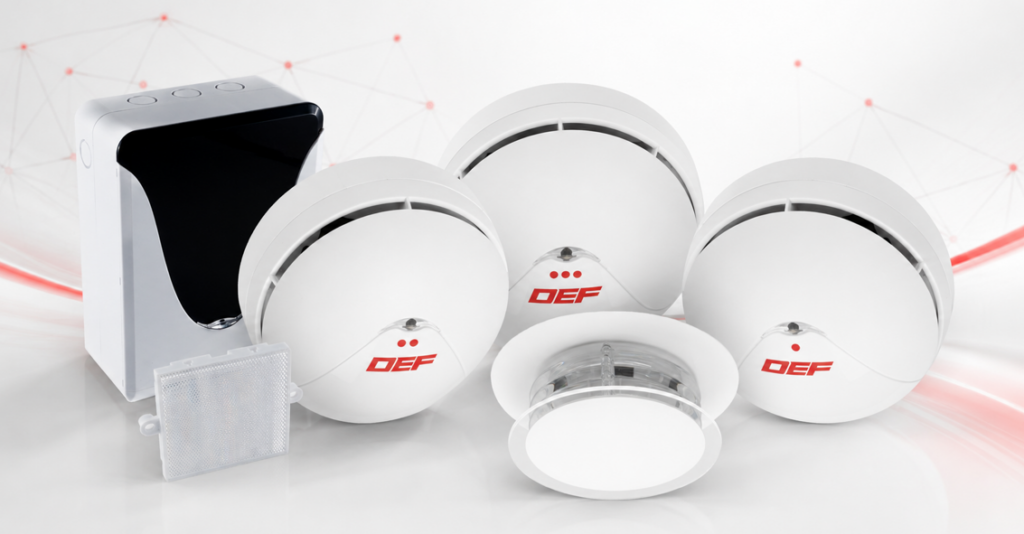
Secure your production equipment

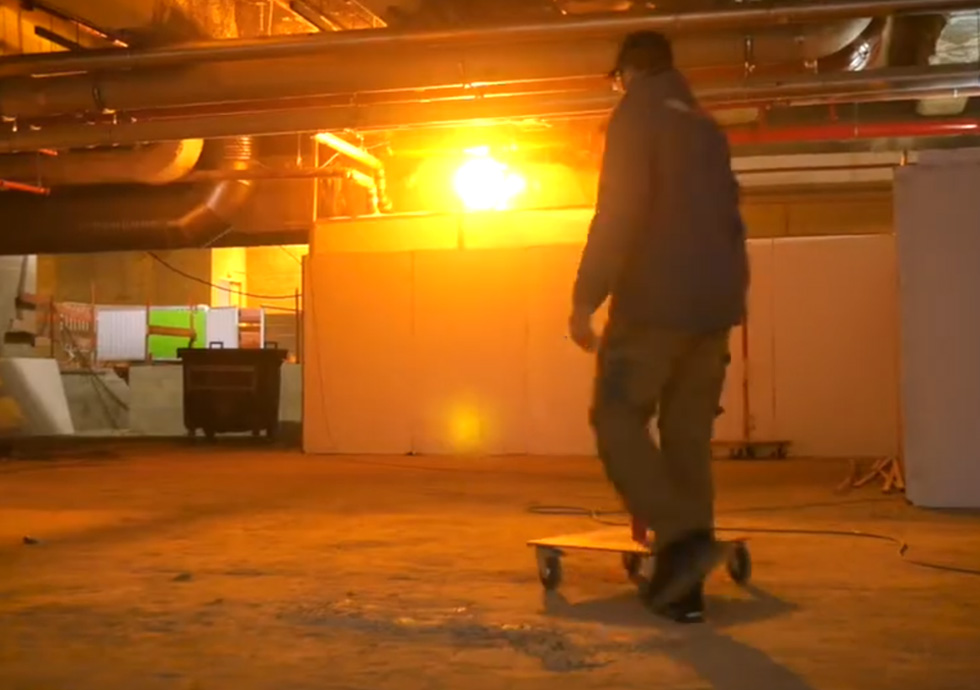
Our experts help food and beverage manufacturers secure their installations and ensure the continuity of their processes.
Request an audit of your system

DEF Assistant

DEF Assistant

Let’s talk about your project

The assistant is typing…

Answers generated by artificial intelligence from the DEF website’s content: please check important information with our teams. Do not share personal information.